
Frequently Asked Questions From Bluegrass Clients
Frequently Asked Questions
From Landscape Design Clients
What can I expect after I contact Bluegrass?
Every project begins with a complimentary 15-minute Discovery Call with Ryan. During that conversation, we’ll learn about your project, answer your initial questions, and determine whether Bluegrass is the right fit for your goals.
If it appears we’re a good fit, the next step is typically a Project Consultation at your home, where we’ll spend dedicated time walking your property and discussing ideas specific to your space.
What can I expect during the Discovery Call?
Every project begins with a complimentary 15-minute Discovery Call with Ryan. During this conversation, you’ll have an opportunity to share your goals, ask questions, and learn more about the Bluegrass process. Together, we’ll determine whether we’re the right fit for your project and discuss the most appropriate next step.
Is the Discovery Call really free?
Yes. The Discovery Call is a complimentary 15-minute conversation with Ryan.
Its purpose is to learn about your project, answer your initial questions, and determine whether Bluegrass is the right fit. If it appears we’re a good fit, we’ll recommend the appropriate next step, which is often a Project Consultation at your home.
What can I expect during the Project Consultation?
If your project is a good fit for Bluegrass, the next step is a Project Consultation at your home.
This is much more than a quick estimate. We’ll walk your property together, discuss how you want to use your outdoor space, identify opportunities and challenges, and explore ideas that fit your vision, your property, and your priorities.
The Project Consultation is a $249 investment, which will be credited toward your next phase of work if you choose to move forward with Bluegrass.
Unlike a quick estimate, this is a thoughtful planning conversation focused on creating the best long-term solution for your property.
Why do you charge for a Project Consultation?
Yes. If your Discovery Call indicates that Bluegrass may be the right fit for your project, the next step is typically a Project Consultation.
The Project Consultation is a $249 investment and includes dedicated time with Ryan to evaluate your property, understand your goals, and discuss the opportunities and considerations unique to your project.
If you choose to move forward with Bluegrass, your Project Consultation investment will be credited toward your next phase of work.
Do you charge for a Project Consultation?
We believe exceptional outdoor spaces begin with thoughtful planning.
Rather than rushing through a free estimate, the Project Consultation gives Ryan dedicated time to understand your property, your goals, and the way you want to use your outdoor space before recommending solutions.
This approach allows us to provide meaningful guidance and develop recommendations tailored specifically to your project.
How long does the design process take before work begins?
Most residential designs take approximately two to three weeks after the initial consultation. Larger or more complex properties may take longer.
We prioritize accuracy and thoughtful planning over speed to ensure your design is clear, buildable, and aligned with your goals.
Can I make changes to my landscape design after I see it?
Yes. The design process is collaborative. One round of revisions is included with your design package. Additional revisions or redesign work can be completed based on scope and billed accordingly.
Can you work in phases if my budget doesn't cover the full project at once?
Yes. We frequently design and build projects in phases, especially when budget or timing is a factor.
This approach allows you to move toward a complete master plan without having to redo or undo earlier work. Each phase is intentionally designed to function on its own while still contributing to the overall finished landscape.
For many homeowners, this also creates opportunities to complete portions of the work themselves between phases, while still following a clear and coordinated design direction.
Do you handle all the work yourselves, or do you use subcontractors?
We install nearly all aspects of our projects in-house, including, landscaping, hardscaping, planting, irrigation, and most site work.
For specialized licensed trades such as electrical, plumbing, or certain concrete flatwork applications, we may partner with qualified subcontractors. All work is fully coordinated and managed by our team to maintain quality and consistency.
What is included in a landscape design package?
Design services may include conceptual master planning, planting plans, hardscape layouts, lighting concepts, irrigation concepts, grading concepts, and supporting visuals or construction details, depending on project scope.
Each design is customized to your property and goals.
Who owns the design once it is completed?
Once payment is received in full, the client owns the final design documents. Bluegrass Landscape Company retains the right to use project imagery, renderings, and design materials for marketing and portfolio purposes unless otherwise agreed in writing.
What if I cancel the design project?
Either party may terminate the agreement in writing at any time. The client is responsible for all work completed, consultant fees incurred, and expenses up to the termination date. Deposits and completed design work are non-refundable.
Do I have to build the project with Bluegrass after design?
No. Design services are independent of construction services. You are not required to use us for installation, and we are not obligated to provide construction services for every design project.
What financing options do you offer?
We do not currently offer in-house financing. Clients may work directly with their preferred bank or lending institution for financing options. We are evaluating financing partnerships for the future.
Frequently Asked Questions
From Landscape Installation Clients
What's the difference between hardscaping and softscaping?
How long does a landscape installation take?
Small projects such as patios or planting beds may take only a few days. Larger outdoor living projects typically take two to four weeks or more, depending on complexity.
We provide a project timeline before construction begins and keep you informed throughout the process.
Will my yard be a mess during installation?
Some disruption is unavoidable during excavation and installation. We use heavy equipment and material deliveries as needed.
We maintain a clean and organized job site, manage daily cleanup, and complete final grading and cleanup before project completion.
Do you pull permits for installation projects?
Yes. When permits are required for retaining walls, irrigation systems, lighting, gas lines, or structural features, we handle the process as part of the project.
How do you handle weather delays?
Weather, soil conditions, and seasonal factors can impact scheduling. We adjust timelines as needed to maintain quality and safety. Any changes are communicated clearly so you know what to expect.
Do you offer maintenance services?
We do not currently provide ongoing maintenance services such as seasonal irrigation startup, winterization contracts, or routine landscape care programs. We’ll get there.
However, we do provide repair, troubleshooting, and upgrade services for systems or landscapes we install, as well as existing systems when needed.
Do you provide warranties?
Yes. We provide workmanship warranties on installed construction, and plant materials are covered by nursery or grower warranties at the time of installation.
Plant material is typically warranted for a short establishment period against installation-related failure or disease. Coverage does not include damage from weather, watering practices, animals, neglect, or site conditions outside of our control.
Full warranty details are provided with your proposal.
How do I care for my landscape after installation?
Frequently Asked Questions
About Our Outdoor Living Spaces
What can be included in an outdoor living space project?
Outdoor living spaces can include patios, fire pits, fireplaces, pergolas, seating walls, outdoor kitchens, lighting, water features, and integrated planting design.
How do you design for the Black Hills climate specifically?
What does the timeline look like for a typical project?
Do outdoor living spaces in Rapid City require permits?
I already have a design. Can you handle the build?
Can you add features to an existing patio?
Yes. We frequently integrate fire features, pergolas, lighting, and outdoor kitchens into existing patios depending on structure and layout.
Do pergolas or patio covers require permits?
Permit requirements vary by municipality and project type. We identify permitting requirements during design and handle the process when needed.
What is the difference between a pergola and a patio cover?
A pergola provides partial shade with an open roof structure. A patio cover provides full or near-full protection from sun and rain. Both can be built in wood, vinyl, or aluminum depending on design goals.
Frequently Asked Questions
About Our Paver Patios
What's the most important factor in a long-lasting paver patio?
The base preparation is the most important factor. A properly excavated, compacted, and graded base ensures stability, drainage, and resistance to freeze-thaw movement common in the Black Hills.
How long does a paver patio last?
A properly installed paver patio can last several decades or longer. Because pavers are individual units, they can be repaired or replaced over time, making them one of the most durable and serviceable hardscape systems available.
What paver options do you offer?
How is a paver patio priced?
Can you remove and replace an existing concrete patio?
Yes. In most cases we recommend removing existing concrete before installing a new paver system to ensure proper base construction, drainage, and long-term performance.
How do Black Hills winters affect a finished paver patio?
Freeze-thaw cycles can impact improperly built patios. A properly constructed system will perform well through winter conditions. Minor joint sand maintenance may be needed over time.
How does a paver patio compare to a concrete patio?
Concrete patios can be a solid option, but they are rigid by nature. When the ground moves through freeze-thaw cycles, concrete has very little ability to flex, which is why cracking is so common over time, even with good installation.
Paver patios are built as a flexible system. Instead of a single rigid slab, they consist of individual units locked together over a properly built base with joint sand. This allows the surface to move slightly with seasonal changes without cracking. The interlocking system, combined with proper edge restraints and premium polymeric sand, helps keep everything tight and stable.
The result is a surface that handles ground movement differently. Concrete tends to show stress through cracks, while pavers are designed to absorb that movement and maintain their surface over time. Both have their place, but in a climate like the Black Hills, that flexibility is what gives pavers their long-term advantage.
Frequently Asked Questions
From Irrigation Clients
Do I really need a professionally installed irrigation system?
Not always. Smaller landscapes can be maintained manually. However, larger properties, complex plantings, and varied site conditions benefit significantly from a professionally designed irrigation system. That being said, a sprinkler system on any property is one of the best ways to make your life easy.
Do you winterize irrigation systems?
We can perform or advise on irrigation winterization, which is essential in South Dakota. Systems must be properly blown out before freezing temperatures to prevent damage.
Do you service irrigation systems you did not install?
Yes. We provide repair, troubleshooting, and system upgrades for existing irrigation systems. We do not offer routine maintenance contracts but can assist as service needs arise.
How much water will a properly designed system actually save?
What's included in a new system installation?
Do you install drainage systems?
Yes. Proper drainage is a critical part of landscape performance in the Black Hills. We design and install drainage solutions, including French drains, catch basins, surface drains, and buried downspout systems, to manage water flow and protect your landscape and structures.
Frequently Asked Questions
About Our Retaining Walls
How do I know if my slope actually needs a retaining wall?
What's the difference between a segmental block wall and a natural boulder wall?
At what height does a retaining wall require an engineer?
How long should a properly built retaining wall last?
A properly engineered and installed segmental retaining wall can last 50 years or more when built with correct drainage, base preparation, and backfill. Performance is driven more by installation quality and water management than by the materials themselves.
What maintenance does a retaining wall need after installation?
Do I need an engineer for a retaining wall?
Frequently Asked Questions
From Outdoor Lighting Clients
What areas of a property benefit most from outdoor lighting?
What's the difference between low voltage and line voltage outdoor lighting?
Can outdoor lighting be added to an existing landscape without major disruption?
How do outdoor lighting systems hold up through Black Hills winters?
Can the system be controlled from a phone or integrated with a smart home setup?
Frequently Asked Questions
About Our Pergolas & Patio Covers
How long does a pergola or patio cover installation take?
Can you add a pergola or patio cover to an existing patio?
Do I need a permit for a pergola in Rapid City or the Black Hills?
What is the difference between a pergola and a patio cover?
Can a pergola hold string lights, a fan, or a heater?
Frequently Asked Questions
About Our Fire Features
How long does a fire feature installation take?
Can you add a fire feature to an existing patio?
Wood-burning or gas: which is better for the Black Hills?
Do you need a permit for a fire pit or outdoor kitchen in Rapid City?
Can a fire feature be built as part of a larger patio project?
Frequently Asked Questions
About Our Water Features
How do I winterize a water feature in South Dakota?
Can you add a water feature to an existing patio or landscape?
Are water features a lot of work to maintain?
Maintenance depends on the system type. Pondless systems are low maintenance. Ponds require seasonal care including water quality management and winter preparation.
What's the difference between a pond and a pondless water feature?
Do you handle aquatic planting as part of the installation?
Can outdoor lighting be added later?
Yes. Low-voltage lighting systems can be installed into existing landscapes with minimal disruption and expanded over time as needed.
Do you install landscape lighting?
Yes. We design and install low-voltage LED landscape lighting systems that highlight architectural features, enhance ambiance, improve safety and security, and extend outdoor usability into the evening.
Can lighting be controlled from my phone?
Yes. Most modern systems include smart controls that allow scheduling, dimming, and adjustments through a mobile app.
Partner with Our
Landscape Professionals
We break the mold: taking a more personal approach and always emphasizing quality over quantity. Trust us to ensure your custom landscape is done right and built for the Black Hills.
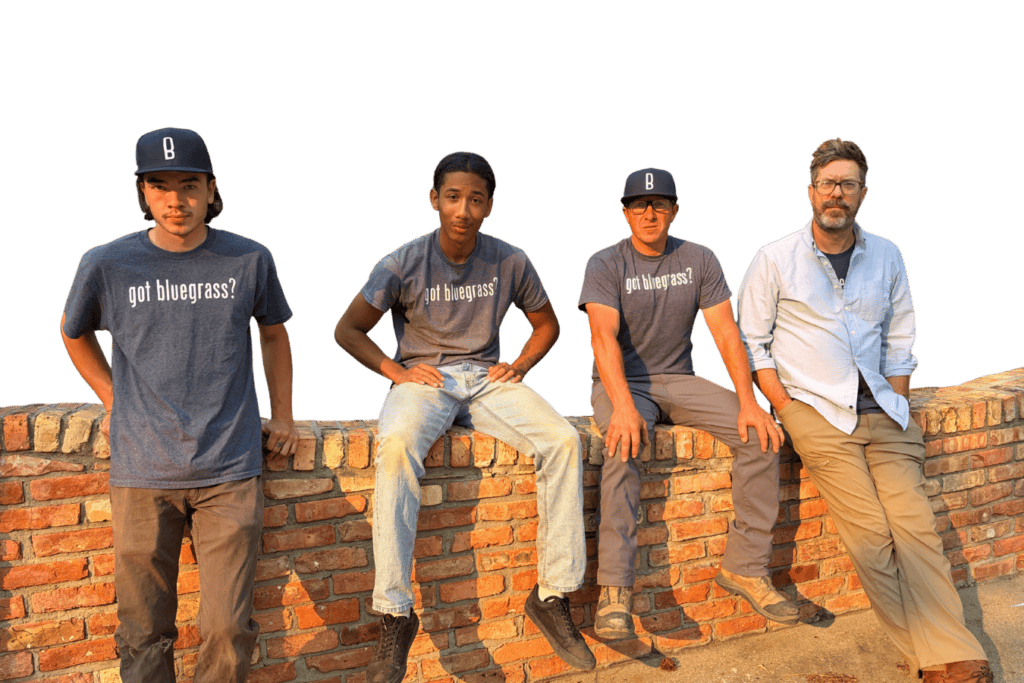
We break the mold: taking a more personal approach and always emphasizing quality over quantity. Trust us to ensure your custom landscape is done right and built for the Black Hills.